
Sustainability
Energy and thermal design as responsibility
Sustainability for Arqos is not a separate brochure layer. It is how power, storage and cooling are specified with the compute load under European environmental and planning regimes.
Design pillars
Four commitments in the stack
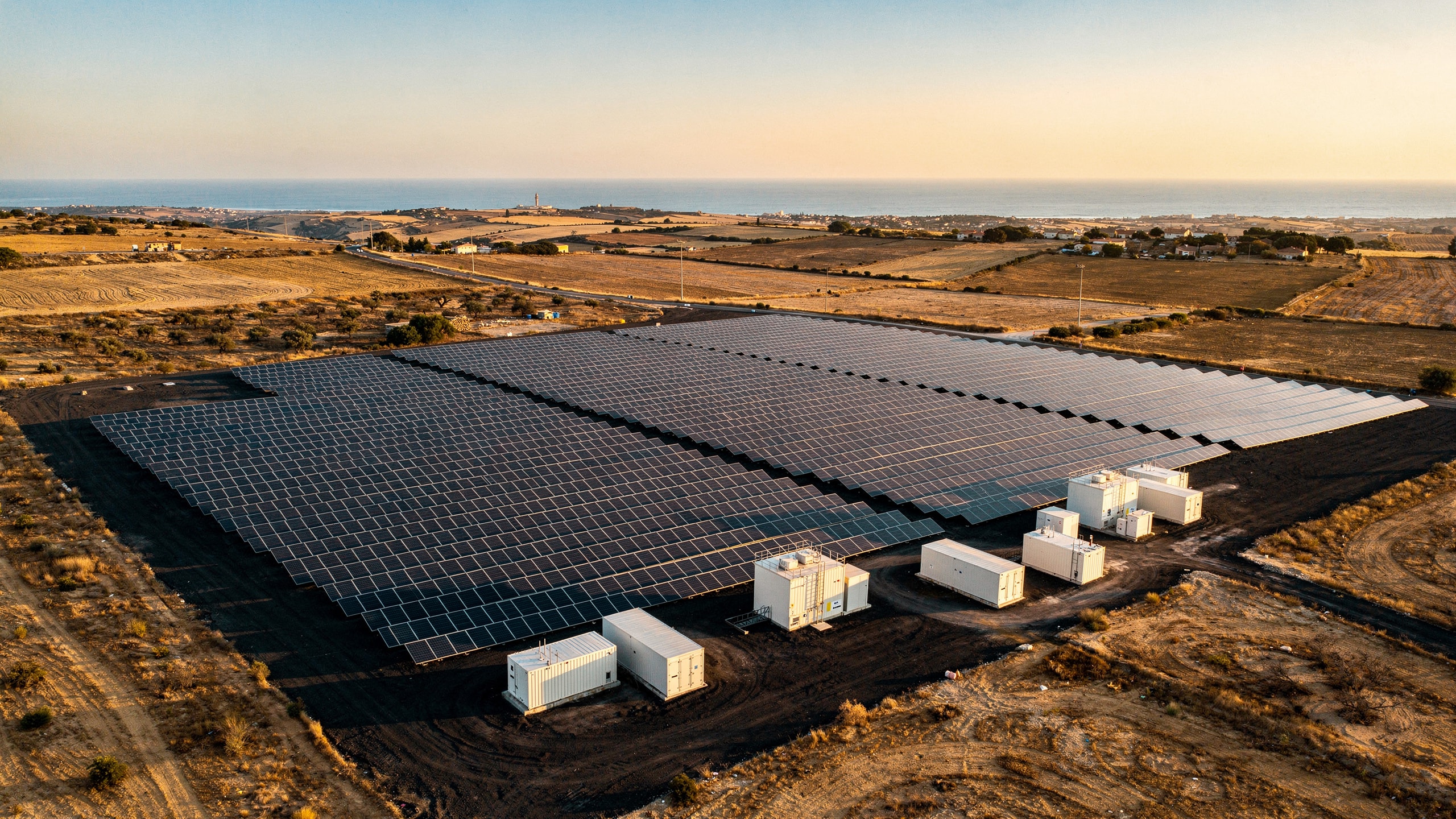
Solar + BESS
On-site generation buffered with storage
Seawater
Coastal thermal pathway for dense racks
EU regimes
Planning, environment and jurisdiction
Site care
Community and coastal interface principles
Programme intent and design targets. Not audited impact metrics or SFDR fund disclosures.
Integrated energy
The campus is conceived around autonomous solar generation with BESS buffering so power and compute advance together. Grid interfaces remain part of engineering diligence — not assumed away.
Thermal systems
High-density GPU racks require a controlled thermal stack. Coastal siting enables seawater cooling pathways subject to environmental assessment, permitting and operational safeguards.
Jurisdiction
Building under EU and Italian frameworks is a sustainability and sovereignty choice: predictable regulation, data residency expectations and long-horizon infrastructure norms.
Communities and coast
Coastal infrastructure must respect local interfaces — marine systems, land use and community engagement. Detailed plans follow site studies; this page states principles, not a finished EIA.
Reporting trajectory
As the programme matures, Arqos intends to publish clearer environmental and governance disclosures. Until then, treat statements here as preparatory orientation. See Trust Center for security and policy links.